Dog Mom Keychain: A Designer’s Review
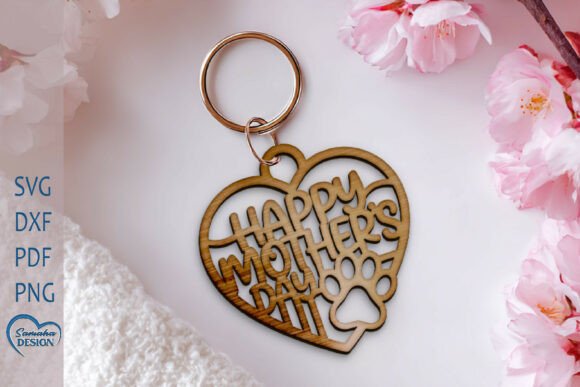
As a professional designer who bridges the gap between digital assets and tangible handmade products, I approach every new file with a critical eye. When evaluating the Dog Mom Keychain Mothers Day Keychain asset, my first thought isn't just about how it looks on a screen, but how it translates into a physical object that carries emotional weight. This design sits at a unique intersection; while marketed primarily as a laser cut file for keychains, its aesthetic potential extends far beyond acrylic blanks. For embroidery designers and small business owners, this graphic serves as a versatile foundation for mixed-media projects, provided you understand its structural nuances before committing thread to fabric.
First Impressions and Visual Personality
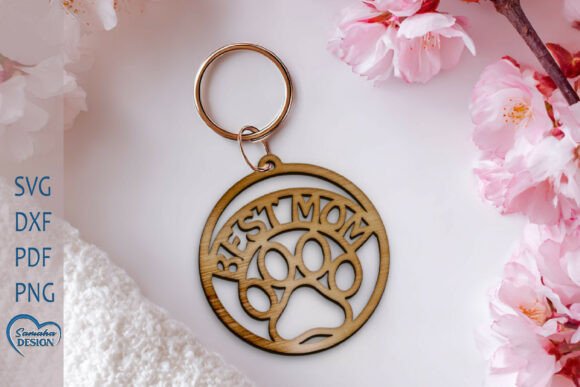
The immediate mood of this design is warm, relatable, and distinctly modern. It avoids the overly cutesy or juvenile aesthetic that sometimes plagues pet-themed merchandise, leaning instead into a clean, boutique-friendly style. The typography is legible yet playful, and the illustrative elements are balanced enough to work as a standalone statement piece. As an embroidery project candidate, the layout suggests excellent negative space utilization, which is crucial when converting vector art into stitch patterns. The visual personality feels authentic to the "dog mom" demographic—proud, loving, and appreciative of quality craftsmanship. For an Etsy seller or maker, this design signals professionalism rather than amateur clip-art assembly, which directly influences perceived value and buyer engagement.
Real-World Application: From Digital File to Finished Product
To truly test the viability of this asset, I mentally placed it into a real-life production scenario: creating a line of premium canvas tote bags and coordinating sweatshirts for a Mother’s Day pop-up shop. In this context, the Dog Mom Keychain Mothers Day Keychain design functions beautifully as a centerpiece. Because the original files include SVG and DXF formats, the lines are crisp and scalable, making digitizing for machine embroidery significantly cleaner than tracing a low-resolution PNG.
For the tote bag application, I envision this as a multi-technique piece. The bold outer shapes are perfect candidates for an applique design, reducing stitch count and adding textural interest through fabric choice. The internal details and lettering would translate well to a combination of satin stitch borders and fill stitch interiors. On a sweatshirt, however, the approach shifts. Fleece and French terry fabrics have texture that can swallow fine details. Here, the design’s inherent simplicity becomes its greatest asset. The bolder elements remain visible against the fabric grain, ensuring the message reads clearly from a distance. This adaptability makes it a high-value asset for custom apparel and personalized gift markets where versatility drives profit margins.
Navigating Fabric Constraints and Technical Limitations
While the design is robust, experienced makers know that not every substrate is suitable for every graphic. When adapting this laser-oriented file for needle and thread, specific cautions apply. If you are working with stretchy knits or performance wear, the design’s density must be managed carefully. Overly dense fill stitches combined with the natural stretch of the fabric can lead to puckering or distortion. Always pair this design with appropriate stabilizer; a cutaway backing is non-negotiable for knit garments to maintain registration during stitching.
Small hoop sizes present another challenge. If you intend to use this design for baby embroidery items like onesies or bibs, scaling down requires scrutiny. Tiny lettering often loses clarity when reduced below a certain threshold. In such cases, I recommend simplifying the design by removing secondary decorative elements and focusing solely on the core text and primary icon. Similarly, textured fabrics like terry cloth or linen require a topping to prevent stitches from sinking. Dark fabrics demand high contrast thread colors; test your palette first, as subtle shading in the digital file may disappear entirely when stitched in dark tones. For curved surfaces like caps, verify that the design’s aspect ratio fits within your cap frame’s safe zone without distorting the circular or organic shapes.
Enhancing Brand Value and Customer Trust
In the competitive landscape of handmade products and craft business ventures, consistency builds trust. Using a well-structured design like the Dog Mom Keychain Mothers Day Keychain elevates your brand perception. Customers recognize intentionality. When a design is properly digitized—with correct underlay, appropriate pull compensation, and logical stitch paths—the finished product feels durable and premium. This directly impacts reviews and repeat business.
Furthermore, this design supports cohesive branding across multiple product categories. Imagine offering a matching set: a laser-cut acrylic keychain (using the original intended purpose) paired with an embroidered patch on a denim jacket or a monogrammed kitchen towel. This cross-medium consistency creates a recognizable signature style for your shop. For digital product sellers, providing accurate, high-quality mockups of this design on various substrates helps buyers visualize the end result, reducing hesitation and increasing conversion rates. The design’s clean lines photograph well and render accurately in printable mockup templates, making marketing efforts more effective.
Essential Designer Notes for Successful Execution
Before listing any item featuring this design or selling the digitized version yourself, adhere to these practical protocols:
- Test Stitch First: Never skip sampling. Run a test on scrap fabric that matches your final product’s weight and weave. Check for registration issues, especially where applique meets satin stitch borders.
- Verify Licensing: The download includes SVG, DXF, and PNG files compatible with Cricut Design Space, Silhouette Designer Edition, and Scan N Cut. However, confirm whether your license permits commercial embroidery digitization and sale of finished goods versus only physical laser-cut items. Clarity here protects your business.
- Assess Stitch Density: If digitizing from the provided vectors, adjust density based on fabric type. Lightweight fabrics need lighter coverage; heavy canvas can handle denser fills. Avoid excessive stitch counts that create bulletproof patches or damage delicate materials.
- Thread Color Contrast: Evaluate visibility in both natural and artificial lighting. What pops on a backlit monitor may look muddy in indoor retail lighting. Create physical thread charts against your target fabrics.
- Hoop Size Confirmation: Ensure your resized design fits comfortably within your machine’s maximum embroidery area with adequate margin for hoop clearance. Distortion occurs when designs push against hoop edges.
- Mockup Accuracy: When creating digital previews, use realistic fabric textures and shadows. Misleading mockups erode customer trust. Show the design as it will actually appear when stitched, including any necessary stabilizer show-through on sheer fabrics.
- Wash Testing: If marketing for frequent-use items like tea towels or baby clothes, wash-test your sample. Ensure stitches hold up to laundering without fraying or shrinking disproportionately to the base fabric.
Ultimately, the Dog Mom Keychain Mothers Day Keychain asset offers significant creative latitude for the thoughtful maker. Its strength lies in its clean geometry and emotional resonance, but its success in embroidery depends entirely on your technical diligence. By respecting fabric limitations, verifying licensing, and prioritizing stitch quality over speed, you transform a simple digital file into a cherished, professional-grade product that honors both the craft and the customer. Whether you’re producing holiday embroidery collections, boutique merchandise, or personalized gifts, this design provides a reliable foundation when executed with intention and expertise.