I’ll Always Be Your Biggest Fan PNG Review
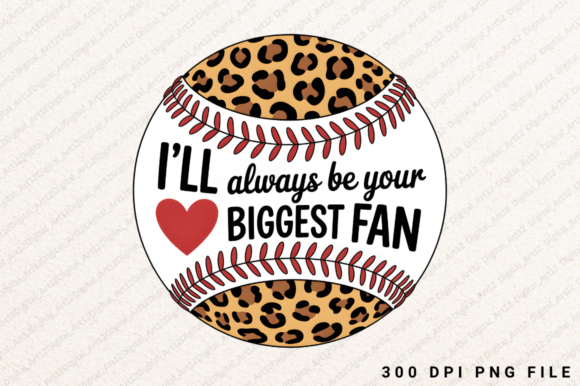
As a designer who spends more time behind an embroidery machine than a computer screen, I approach every new digital asset with a healthy dose of skepticism. When I first opened the I’ll Always Be Your Biggest Fan PNG, my immediate thought wasn't about how pretty it looked on a monitor, but how it would translate into thousands of stitches. This graphic, marketed primarily as a baseball mom sublimation design for T-shirt designs, carries a specific emotional weight that resonates deeply in the handmade community. However, transitioning a raster graphic intended for dye sublimation into a successful machine embroidery design requires a critical eye and practical testing.
The visual personality of this artwork strikes a balance between nostalgic warmth and spirited support. The typography suggests movement and enthusiasm, which is exactly what you want for sports-related custom apparel. Yet, as any experienced embroiderer knows, what works beautifully as ink on polyester can become a dense, puckered mess on cotton if not adapted correctly. My review focuses entirely on the viability of this graphic as a foundation for embroidery projects, personalized gifts, and commercial products for small business owners and Etsy sellers.
From Screen to Hoop: A Real-World Sweatshirt Test
To truly evaluate this asset, I didn't just digitize it blindly. I approached it with a specific client project in mind: a custom crewneck sweatshirt for a youth baseball league fundraiser. The goal was to create a wearable item that felt boutique-quality rather than like a stiff, homemade craft fair reject. The I’ll Always Be Your Biggest Fan PNG served as the template for a mixed-media applique design.
During the digitizing process, I had to make significant adjustments. Because the original file is a PNG meant for printing, the edges were soft and pixelated rather than crisp vectors. For embroidery, this means manually tracing the artwork to create clean stitch paths. I opted to use a satin stitch border to define the lettering, ensuring clarity against the fleece texture of the sweatshirt. The interior of the letters was assigned a light fill stitch to reduce density. Had I attempted to replicate the solid color blocks of the sublimation design with standard satin or dense fill stitches, the result would have been bulletproof and uncomfortable.
The test run on scrap fabric revealed that the design’s layout naturally suits center-chest placement. The sentiment reads clearly from a distance, which is crucial for sideline wear. However, the intricate curves in the script required slowing down the machine speed to prevent registration issues. This real-life scenario confirmed that while the graphic is visually appealing, its success as a finished product depends entirely on the digitizer's willingness to adapt the art for thread rather than treating it as a simple trace-and-stitch job.
Navigating Fabric Limitations and Stitch Density
Not every canvas is suitable for this specific design aesthetic. While the I’ll Always Be Your Biggest Fan PNG shines on stable knits and fleece, it demands caution elsewhere. I strongly advise against using complex adaptations of this design on stretchy performance wear without extensive stabilization. The combination of lettering and decorative elements creates variable stitch density that can distort lightweight athletic fabrics, leading to a warped appearance after washing.
Textured fabrics like terry cloth or pique also present challenges. The finer details in the fan motif and smaller accent text can get lost in the pile. In these cases, simplifying the design or adding a knockdown stitch layer is non-negotiable. For makers creating baby embroidery items or delicate nursery decor, the standard size of this graphic is likely too aggressive. Scaling it down for onesies or bibs requires removing detail; otherwise, the stitch count becomes too high for fragile garments, compromising both safety and comfort.
Dark fabrics require another layer of consideration. Since this is originally a sublimation graphic, it may rely on white negative space that doesn't exist in thread. When adapting for dark navy or black apparel, you must account for underlay and potentially add a white outline or background element to maintain contrast. Without this adjustment, the design lacks the visual pop necessary for professional-looking custom apparel.
Critical Checks Before You Stitch or Sell
Whether you are a hobbyist making a gift or an Etsy seller listing a new digital embroidery file, due diligence is part of the craft. Here are my non-negotiable checks when working with this graphic:
- Verify Licensing Terms: Just because a PNG is available for purchase does not automatically grant rights to sell it as a digitized embroidery file or on mass-produced merchandise. Always confirm the specific license for commercial embroidery use before listing finished products or design assets in your shop.
- Test on Target Fabric: Never assume stabilizer choices based on general rules. Test the design on the exact fabric you intend to use. A tear-away might suffice for a tote bag design, but a cut-away is often mandatory for sweatshirt embroidery to prevent distortion over time.
- Evaluate Small Text Legibility: If the PNG includes tiny taglines or dates, verify they remain legible at your intended hoop size. Text smaller than 4mm often requires conversion to running stitch or removal entirely to avoid thread breaks and poor readability.
- Mockup Realistically: Use printable mockups that show texture and shadow, not just flat overlays. Customers need to understand how the design interacts with fabric grain. Honest presentation builds trust and reduces returns.
- Check Color Contrast: Thread colors behave differently than printer ink. What looks vibrant on screen may appear muddy in rayon or polyester thread. Create physical thread charts or digital simulations specifically calibrated for embroidery threads.
Commercial Viability and Brand Consistency
For creative entrepreneurs and small shop owners, the value of the I’ll Always Be Your Biggest Fan PNG extends beyond a single project. It serves as a versatile anchor for seasonal collections. The sentiment is evergreen for sports moms but can be adapted for various niches by changing color palettes or accompanying graphics. This flexibility makes it a smart investment for those building a cohesive brand identity across multiple product lines.
However, professionalism lies in execution. A poorly digitized version of this popular phrase will damage your reputation faster than a bad review. Buyers in the handmade market are increasingly savvy; they recognize generic, auto-digitized files. By investing time in manual digitizing, adjusting stitch angles for better sheen, and optimizing jump stitches, you elevate the perceived value of your work. This attention to detail is what separates a premium embroidered patch or high-end garment from basic craft fare.
When marketing finished products derived from this design, focus on the quality of the stitch-out and the durability of the item. Highlight that the design has been tested for washability and wear. For digital product sellers, provide comprehensive documentation including recommended stabilizers, thread colors, and fabric suggestions. This level of support transforms a simple graphics download into a valuable resource for fellow makers.
Ultimately, the I’ll Always Be Your Biggest Fan PNG is a promising starting point for heartfelt, sports-themed embroidery. Its strength lies in its emotional connection and clear visual hierarchy. But its success in the physical world relies entirely on the maker’s technical judgment. Treat it as inspiration rather than instruction, respect the limitations of thread and fabric, and always prioritize the integrity of the final stitched product. When executed with care, this design delivers the kind of polished, meaningful result that keeps customers coming back to your handmade business season after season.