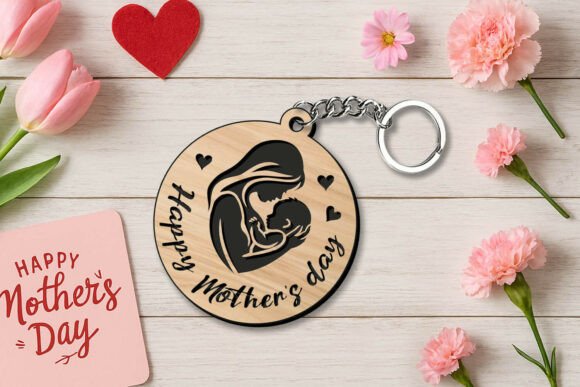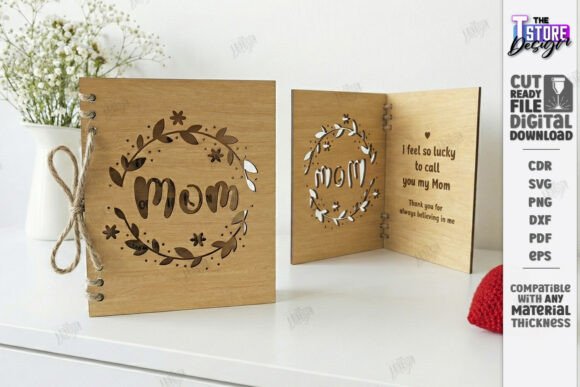
Mother's Day Greeting Card Laser Cut Design Review
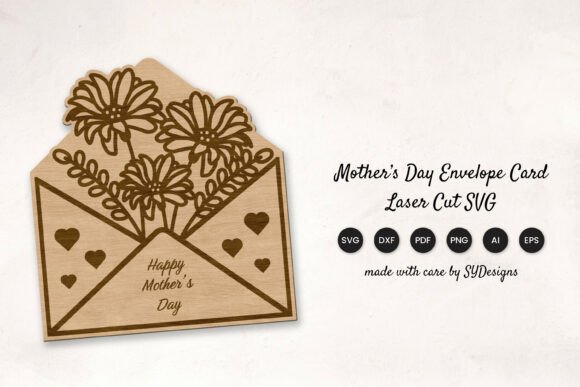
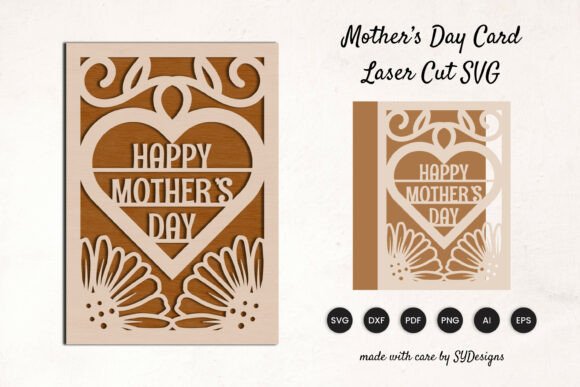
As a designer who constantly bridges the gap between digital files and tangible, stitched goods, I approach every new asset with a specific question: will this actually translate to thread? When evaluating the Mother s Day Greeting Card Laser Cut file, my initial reaction was one of cautious optimism. While primarily marketed as an SVG for laser cutting wooden keepsakes, the structural integrity of this floral mom card design offers significant potential for mixed-media embroidery projects. However, translating a vector intended for wood burning or cutting into a machine embroidery design requires a critical eye for detail, density, and fabric interaction.
The visual personality of this design is undeniably warm and sentimental. It features layered florals and script quotes that evoke a sense of heirloom quality. For an Etsy seller or craft business owner, this aesthetic is gold during the spring season. Yet, as someone who has ruined expensive blanks by trusting a pretty screen preview over practical stitch logic, I had to assess how these delicate lines would perform on actual textiles rather than rigid plywood. The following review breaks down my professional assessment of using this Laser Cutting derived artwork for real-world Mother S Day embroidery applications.
From Vector to Stitch: Assessing Structural Integrity
My first step in reviewing this embroidery file was analyzing the line weight and negative space. Designs created for laser cutters often rely on hairline vectors that look exquisite when burned into wood but can disappear or cause tension issues when converted to stitches. In this case, the Mother s Day Greeting Card Laser Cut design possesses enough boldness in its primary floral elements to support a satin stitch border, which is crucial for defining edges on fabric.
However, the intricate inner details of the quote sections require careful digitizing attention. If you are converting this yourself or purchasing a pre-digitized version based on this art, verify that the text isn't too small. On a tote bag design or sweatshirt embroidery, lettering under 4mm often becomes illegible. I recommend treating the finer script elements as guide lines for a running stitch rather than attempting a dense fill, which can pucker lighter fabrics. The layering effect intended for wood translates beautifully to an applique design structure, where different fabric pieces mimic the depth of the original laser-cut layers.
Real-World Application: The Custom Tote Bag Test
To truly judge this design, I mentally prototyped it for a high-demand item in my shop: a personalized canvas tote bag for new moms. Canvas is forgiving, but it has a distinct fabric texture that can swallow fine details. In this scenario, the Mother s Day Greeting Card Laser Cut serves as an excellent centerpiece, but only if scaled appropriately.
For a finished product like this, I envision using a tear-away stabilizer to prevent the canvas grain from distorting the circular floral motifs. The design’s balanced layout makes it ideal for center-chest placement on custom apparel or the lower third of a tote. Because the original art is designed for a greeting card format, the aspect ratio is naturally suited for rectangular or square hoop size constraints. This reduces the need for excessive re-hooping or complex alignment, streamlining production for commercial embroidery runs where time equals profit.
Customer reaction to this style tends to be highly emotional. The combination of botanical elements with maternal quotes triggers a strong gift-buying impulse. As a handmade product, it feels bespoke rather than mass-produced, provided the stitch quality matches the elegance of the source art. For small shop product listings, photographing this design on natural linen or cream cotton enhances the organic vibe established by the laser-cut origin.
Critical Limitations and Fabric Warnings
Despite its beauty, this design is not universally compatible with every substrate. Through experience, I have identified several areas where caution is necessary when adapting Mother s Day Greeting Card Laser Cut for needlework:
- Stretchy Fabrics: Avoid using this detailed design on thin jersey knits or performance wear without heavy stabilization. The density required to replicate the "layered wood" look can cause tunneling.
- Curved Surfaces: While great for flat items, the rigid geometry of a greeting card layout fights against the curve of a cap or hat. Reserve this for flat embroidery project types like pillow covers or tea towels.
- Dark Fabrics: The design relies on contrast and layering. On black or navy fabric, the subtle shading intended by the artist may be lost unless you use high-sheen rayon threads or add a white underlay base.
- Frequent Washing: If applying this to baby clothes or kitchen linens, ensure all decorative accents are securely anchored. Laser-style jagged edges must be finished properly in digitizing to prevent fraying after laundering.
Additionally, be mindful of stitch density. A design meant for wood doesn't account for thread buildup. Overlapping satin stitches in the floral centers can create bulletproof patches that are uncomfortable against skin. Always test on scrap material first.
Designer Notes for Professional Execution
Before listing any item featuring this art or selling the digital embroidery file itself, adhere to these professional best practices to maintain brand consistency and customer trust:
- Verify Licensing: Just because a file is labeled for Glowforge or laser use does not automatically grant commercial embroidery rights. Confirm the license specifically covers design assets for stitched merchandise before selling.
- Mockup Testing: Create a printable mockup in both color and grayscale. If the design reads clearly in black and white, your stitch definition is likely sufficient. If it looks muddy, simplify the details.
- Thread Color Strategy: Don't default to standard green and pink. Elevate the personalized gift value by offering tonal variations (e.g., sage and blush) that match current boutique trends.
- Check Specifications: Since exact stitch counts and formats vary by digitizer, always confirm compatibility with your machine. What works for a multi-needle commercial setup might need resizing for a single-needle hobbyist hoop.
- Sample First: Never run a client order without a sew-out. Inspect the registration marks and corner details. The transition from digital vector to physical thread is where most errors occur.
Elevating the Handmade Presentation
Ultimately, the Mother s Day Greeting Card Laser Cut is more than just a seasonal graphic; it is a versatile foundation for meaningful holiday embroidery. Its success lies in respecting the medium. By acknowledging its origins in Laser Cutting and adapting it thoughtfully for textile constraints, you transform a simple digital download into a premium embroidered patch, keepsake, or garment.
For creative entrepreneurs, this design represents an opportunity to cross-pollinate audiences. Laser enthusiasts and embroidery aficionados share a love for personalized craftsmanship. By executing this design with technical precision and artistic sensitivity, you validate the buyer's desire for something unique. Whether it adorns a nursery blanket or serves as a standalone framed textile art piece, the key is intentionality. Treat the embroidery file with the same respect you would give the raw wood, and your finished product will resonate deeply with mothers everywhere.