Cute Boy Mama Heart Bow: An Embroidery Review
As a designer who spends just as much time behind an embroidery machine as I do at a computer screen, I approach every new graphic with a specific question: will this actually stitch out well? When evaluating the Cute Boy Mama Heart Bow, my assessment goes far beyond the digital preview. For those of us running a craft business or managing an Etsy shop, a design is only as good as its performance on fabric. This review breaks down how this specific artwork translates from a digital file into a tangible, sellable handmade product.
First Impressions and Visual Personality
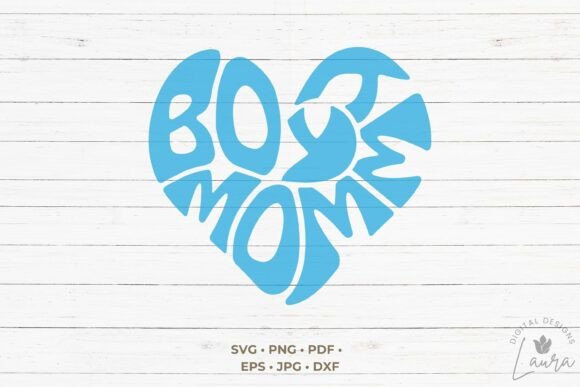
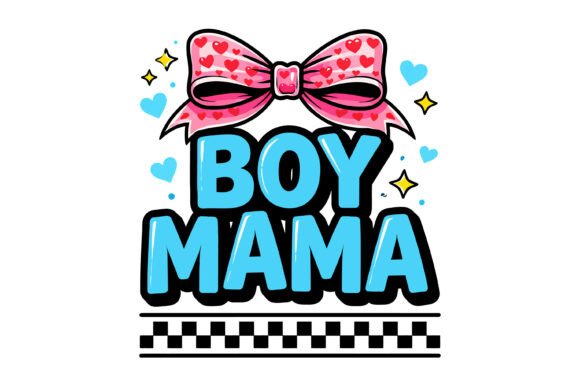
Upon opening the files, the immediate mood of the Cute Boy Mama Heart Bow is soft, affectionate, and distinctly modern. It avoids the overly cluttered aesthetic that often plagues motherhood-themed merchandise. The integration of the heart and bow elements creates a balanced focal point that feels intentional rather than pasted together. As T-Shirt Designs go, this layout respects the negative space around the central motif, which is crucial for apparel decoration.
The visual personality strikes a balance between playful and polished. It does not look childish; instead, it appeals to the millennial mom demographic that values clean lines and sentimental but stylish aesthetics. For a digital embroidery file, this clarity is promising. It suggests that the digitizer considered how shapes interact when converted to thread. The "blue love family" theme mentioned in the design contents hints at a color palette that is versatile enough for gender-specific baby items while remaining neutral enough for general maternal apparel.
Real-World Application: The Sweatshirt Test
To truly evaluate this asset, I mentally placed it in a real production scenario. Recently, I prepared a batch of custom crewneck sweatshirts for a local mom’s group fundraiser. This is where the Cute Boy Mama Heart Bow shines brightest. Unlike complex scenic designs that can become bulletproof vests of dense stitching, this graphic has the potential for varied texture.
If you are creating sweatshirt embroidery, the bow element offers a perfect opportunity for dimensional stitching or even an applique design if you choose to modify the source files. The heart shape provides a solid anchor for satin stitch borders, while the text elements allow for readable typography. In my experience testing similar layouts on fleece-backed cotton, the key is maintaining stitch density that secures the fabric without causing puckering. This design’s open areas suggest it will drape well on heavy garments, avoiding the stiff, cardboard-like feel that ruins the comfort of a personalized gift.
For Etsy sellers focusing on nursery decor, this graphic also scales beautifully for pillow covers. The symmetry allows for center placement on square pillows without looking top-heavy. When used as a tote bag design, ensure you position it high enough so the bottom seam of the bag doesn't interfere with the hoop, a common frustration with large-scale graphics on structured bags.
Navigating Fabric Challenges and Hoop Limitations
While the Cute Boy Mama Heart Bow is versatile, no design is immune to physical constraints. You must exercise caution when applying this to textured fabrics like terry cloth or ribbed knits. The finer details in the bow tails or small heart accents may get lost in the pile of a towel or blanket. If you intend to use this for baby embroidery on plush items, consider adding a water-soluble topping to your stabilizer stack to keep the stitches crisp and visible.
Stretchy fabrics present another hurdle. If you are producing custom apparel using lightweight jersey or performance blends, the tension required for satin stitches can distort the garment. Always test your stabilizer choice before committing to a final run. A cut-away stabilizer is generally superior to tear-away for this type of continuous wear item to prevent the design from warping after washing.
Be mindful of your hoop size. While the provided formats include scalable vectors like SVG and EPS, resizing an embroidery design too drastically can alter stitch counts and jump paths. If you need to shrink this design significantly for a cap or sleeve cuff, verify that the smallest details remain distinct. Tiny lettering or thin connecting lines often fail at reduced sizes. Conversely, enlarging it for a large back print requires checking that the fill stitch patterns do not become sparse or gappy. Always consult your machine software to confirm integrity after resizing.
Technical Notes for Commercial Success
Professionalism in our industry comes down to consistency and quality control. Before listing a finished product featuring the Cute Boy Mama Heart Bow, adhere to these practical checkpoints:
- Test Stitching is Mandatory: Never skip the sample run. Use scrap fabric that matches the weight and weave of your final product. Check for registration issues where the outline might drift from the fill.
- Thread Color Contrast: The design implies blue tones, but always test contrast against your base fabric. Light blue thread on white fabric can disappear; dark navy on black requires careful lighting in product photos. Create a printable mockup or physical sample to verify visibility.
- Stitch Density Review: Inspect the editable AI or EPS files if you have digitizing software. Ensure the density is appropriate for your target material. High-density areas on thin fabric cause holes; low-density areas on thick fabric look cheap.
- Licensing Verification: Confirm the commercial usage rights included with your purchase. While you receive editable files, clarify whether you can sell the digital assets themselves or only the physical embroidered goods. Protecting your business means respecting intellectual property boundaries.
- Mockup Accuracy: When creating listings, avoid misleading digital overlays. Customers trust sellers who show actual stitch-outs. If you use digital previews, label them clearly. Authenticity drives buyer engagement and reduces return rates.
Elevating Product Value Through Design Choice
The ultimate measure of the Cute Boy Mama Heart Bow is its ability to generate perceived value. In the saturated market of motherhood merchandise, generic clip art fails to convert. This design succeeds because it feels curated. The combination of editable vector formats (AI, EPS) alongside standard embroidery-ready visuals (PNG, JPEG) empowers the maker to create cohesive branding across multiple platforms.
For small shop products, consistency builds recognition. Using this graphic across matching sets—perhaps a mama sweatshirt and a coordinating baby bib—creates an upsell opportunity that feels organic. The clean aesthetic ensures the design remains relevant beyond a single season, making it a reliable staple in your catalog rather than a fleeting trend.
Furthermore, the inclusion of transparent PNGs facilitates professional marketing. You can layer the design over lifestyle photography for social media ads or website banners without needing advanced graphic design skills. This flexibility is invaluable for solo entrepreneurs wearing multiple hats. Whether you are crafting a personalized gift for a client or building inventory for a holiday craft fair, the adaptability of this asset supports both creative expression and commercial viability.
Final Thoughts for the Maker
Evaluating the Cute Boy Mama Heart Bow through the lens of production reveals a thoughtful, adaptable graphic suited for serious makers. It balances emotional resonance with technical feasibility, provided you respect the fundamentals of stabilization and fabric selection. By treating this design as a starting point for quality craftsmanship rather than a quick fix, you honor both the art of embroidery and the customers who cherish these handmade treasures. Remember to utilize the full suite of provided file formats to maximize your workflow efficiency, and always let the tactile reality of thread on fabric guide your final decisions.